What happened
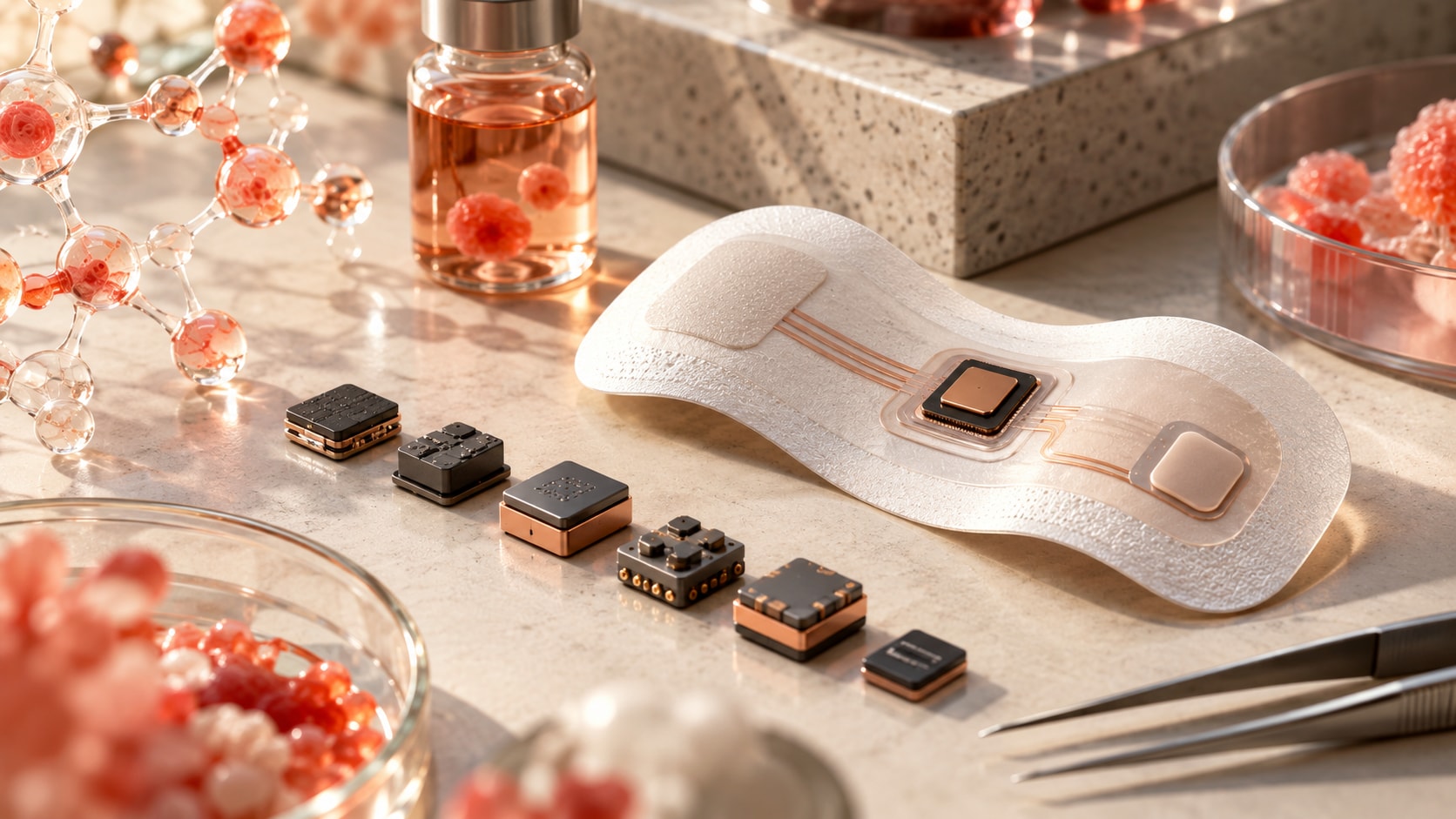
ARPA-H selected teams led by MIT, New York University, the University of Washington and Novelna. Their proposed devices target heart-failure markers, inflammation, perimenopause and post-heart-attack monitoring. The programme separates sensing, power, communications, post-quantum security and biorecognition into interoperable microelectronic chiplets.
The agency committed up to $117.4 million over 4.5 years, contingent on milestones. Teams must show interoperability and secure communications in 18 months, an in-vivo prototype at 24 months, and a clinical trial or human-factors study by 54 months. These are research awards, not approved diagnostic products or proof of clinical benefit.
Why it matters
A reusable chiplet architecture could reduce the cost of developing specialized wearables and make sensors easier to combine. The programme still has to demonstrate measurement accuracy, skin compatibility, security, manufacturing and regulatory readiness.
What to watch
Watch milestone results, clinical validation, false-alarm rates, data governance and regulatory pathways before medical use.
Sources & verification
Source links are not a count of independent confirmations.
01Report a correction
Help us get it right
Include the disputed statement and, if possible, a supporting source URL. Please do not send personal or sensitive information.