What happened
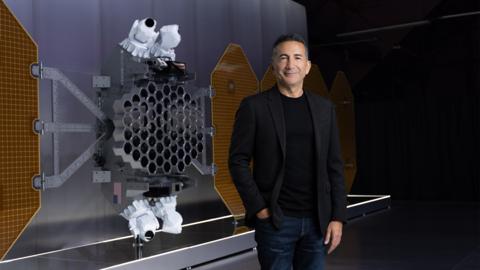
CesiumAstro announced a $730 million Series D led by Janus Henderson on 5 November, at a stated valuation above $4.5 billion. The same release introduces Synchronicity, a planned 737-satellite communications constellation with AI-managed resources and onboard processing.
The company says Element-1 launched and began orbital operations in October. It is the first of eight planned Element spacecraft, with seven further launches secured. Neither that first mission nor the eight-spacecraft programme means the 737-satellite network is operating.
CesiumAstro links its expansion to acquisitions spanning radio-frequency chips, mission software and AI: Jariet Technologies, 1Aardvark and Vidrovr. Its claims about the future network’s flexibility and autonomy describe intended capabilities, not independently measured constellation performance.
Why it matters
The strategic change is ownership of the network, not simply a larger component order book. Designing chips, payloads and spacecraft together could reduce integration friction, but operating a constellation adds launch, licensing, ground-network and customer-service obligations. Funding and a first satellite address different parts of that execution problem.
What to watch
Watch subsequent Element launches, licensed network deployment, independently documented service performance and paying customers. Distinguish the planned 737-satellite system from spacecraft actually in orbit.
Sources & verification
Source links are not a count of independent confirmations.
01Report a correction
Help us get it right
Include the disputed statement and, if possible, a supporting source URL. Please do not send personal or sensitive information.